Supply pipes beneath gardens and driveways
Provide the meter location, known pipe route and shared connections before buried supplies are tested.
For a West Midlands home, damp flooring and unusual water use may have more than one cause. ADI investigates concealed leaks across Birmingham, Coventry, Solihull and the Black Country. The Coventry investigation below identified both a faulty toilet valve and a damaged pipe beneath the hallway, with different follow-up work for each.
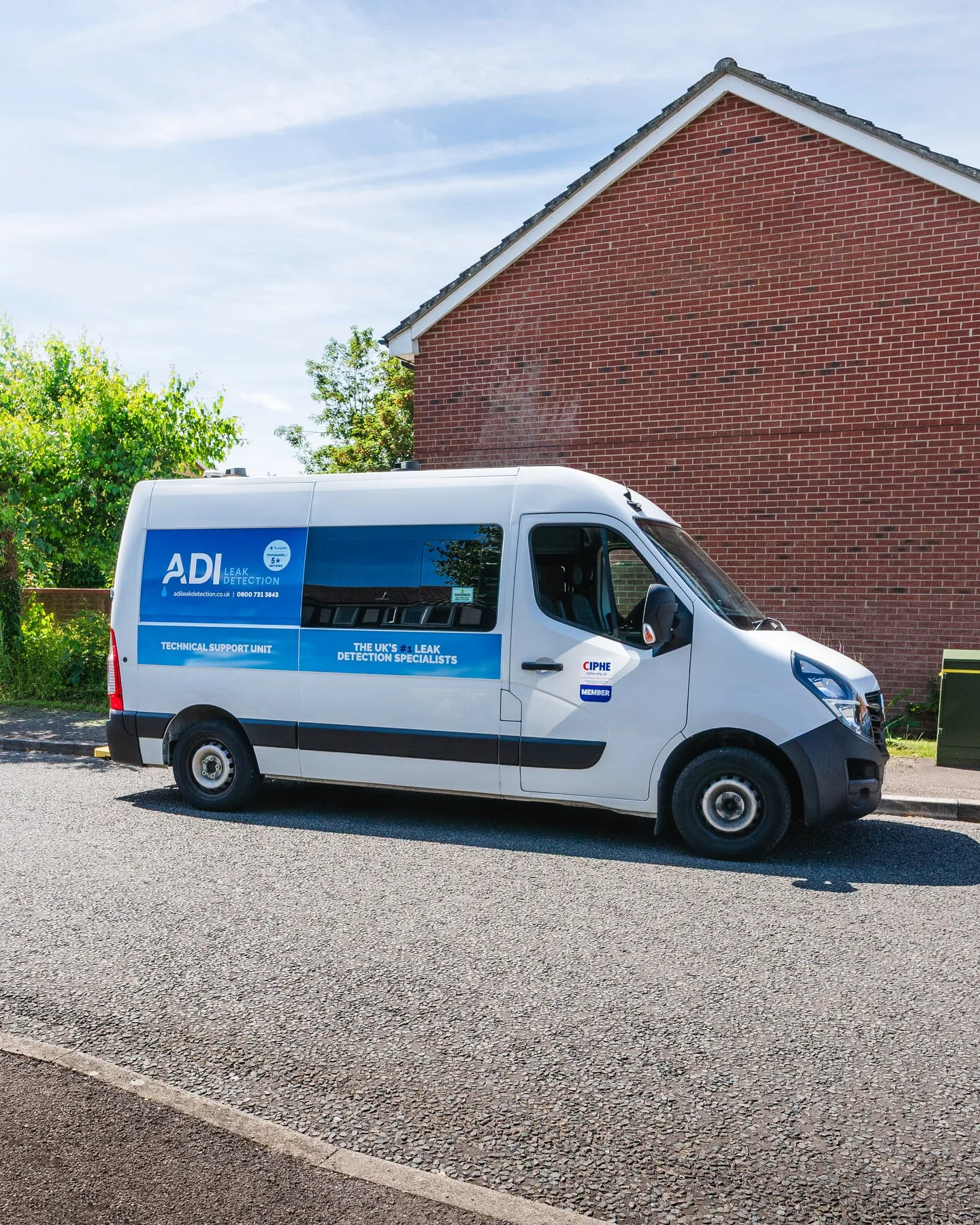
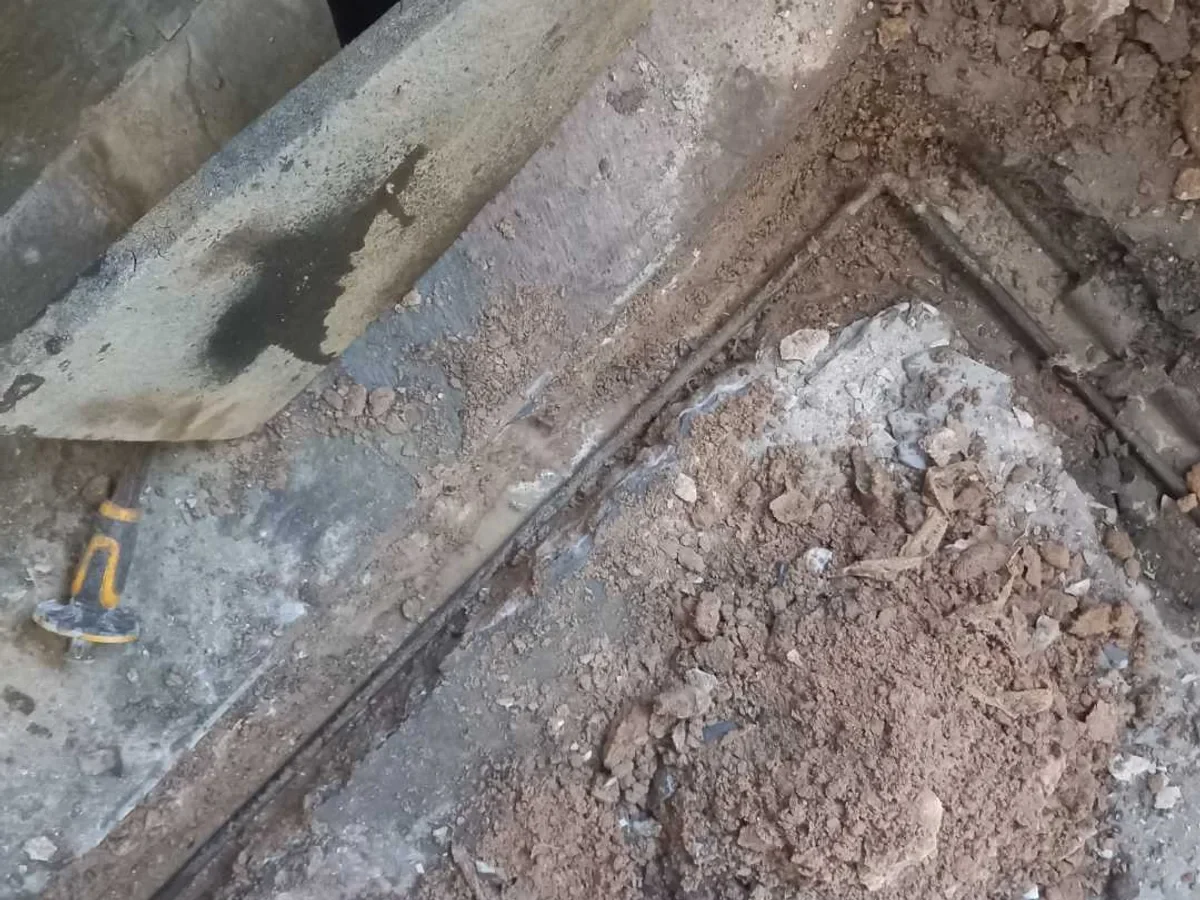
In an ADI residential investigation in Coventry, water pooled beneath the stairs and damp affected the hallway and bathroom. Separate tests identified a faulty toilet cistern valve and a damaged hot-water pipe beneath the hallway floor.
Tracer gas helped locate the concealed pipe fault. The damaged section was replaced and held pressure during the recorded retest. The toilet valve still needed replacement: it remained a separate recommendation.
The two findings required separate decisions: the concealed pipe was repaired and retested, while the toilet valve still required replacement. Continuing symptoms should be checked against the work actually completed.
The right investigation starts with the symptoms. These are the residential problems ADI can help trace.
Provide the meter location, known pipe route and shared connections before buried supplies are tested.
Share manifold labels and pressure records. Suitable loops can be separated for investigation.
Identify rooms above or beside the damp patch; water may travel along concealed routes.
Include earlier heating engineer findings. ADI investigates pipework leaks and does not repair boilers.
Note which fitting was used before water appeared so supplies, wastes and seals can be assessed.
Record the timing of rainfall and damp. Building repairs are undertaken by the appropriate trade.
Your engineer selects tests to suit the suspected leak and available access. Not every survey needs every piece of equipment.
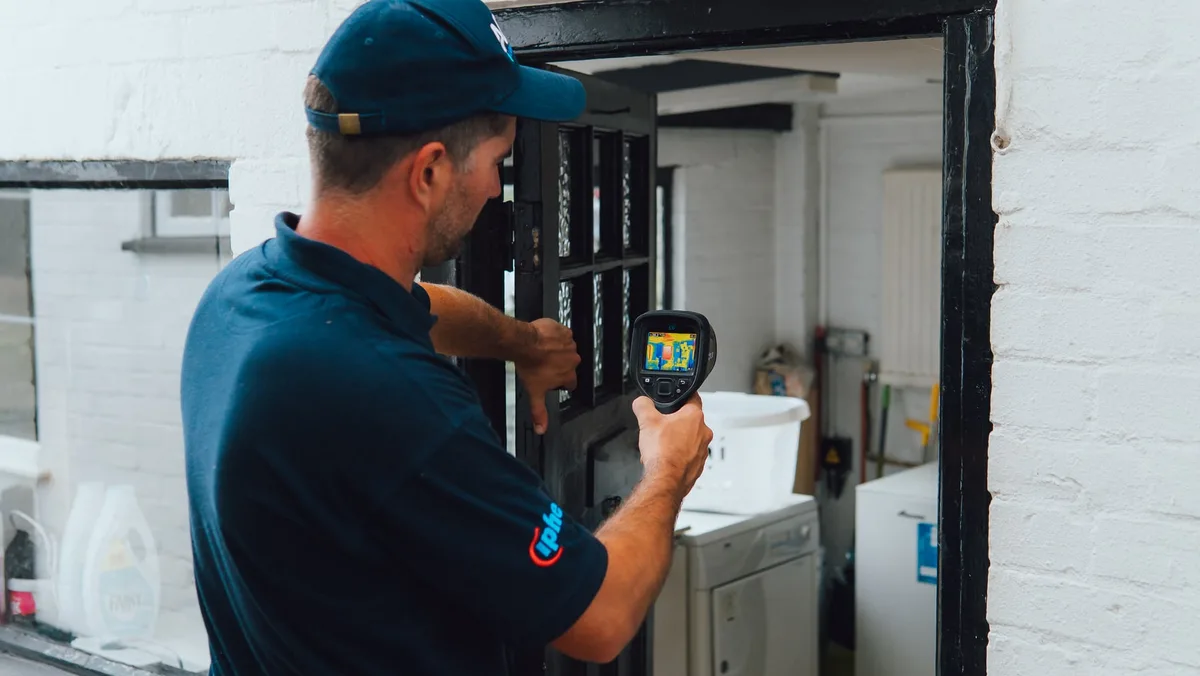
A survey can follow a suspected leak from the incoming supply through to concealed hot, cold and heating pipes. Where the supply runs a long way under a garden, drive or forecourt, give the stop tap and meter positions and an approximate pipe route before the visit.
What to do when you spot a leakOne leak can affect several homes in a block, and the stain is often some way from its source. Say which flats are involved, whether the pipework is shared, and who holds access to risers, tank rooms and the flat above, so permission can be arranged before the engineer arrives.
Read about the survey visitA landlord, a tenant or a managing agent can arrange the survey. Settle beforehand who authorises the work and who will let the engineer in, particularly where one address covers several occupied flats. The written findings and photographs can then go to whoever organises the repair.
See ADI’s residential case studiesResidential Leak Detection, a specialist service from ADI Leak Detection. ADI’s team covers England, Scotland and Wales.
Selected excerpts from five-star reviews of ADI’s wider service across the UK.


“Very clear and thorough communication before the job started. Aaron did a very efficient job in the day and explained the process very well.”
Review excerpt
Read the full review
“Paul quickly found the water leak and fixed it. He was a great guy, very friendly and professional and explained everything.”
Review excerpt
Read the full reviewThe West Midlands county comprises Birmingham, Coventry, Dudley, Sandwell, Solihull, Walsall and Wolverhampton. It is distinct from the wider West Midlands region. Provide the property postcode to confirm survey arrangements and availability.
Yes. The Coventry investigation found a faulty toilet valve and a concealed pipe fault. Repairing one did not remove the need to address the other, so the report separated completed work from recommendations.
No. Provide photographs and details of the symptoms and floor construction. The engineer selects suitable tests, and any additional opening up should be discussed and agreed separately.
Provide the full postcode, property type, symptoms, previous investigations and access restrictions. Confirm the nominated site contact and who can authorise work. The office will discuss the scope, quote and current availability.
Provide the postcode, symptoms and any earlier plumbing findings. ADI will discuss the proposed survey, quote and availability.
