Supply pipes beneath gardens and driveways
Provide the meter location, known pipe route and shared connections before buried supplies are tested.
ADI investigates hidden water leaks in Greater London houses and flats. Explain the symptoms, previous plumbing checks and any shared supply or neighbouring home involved so the survey can be planned around the property.
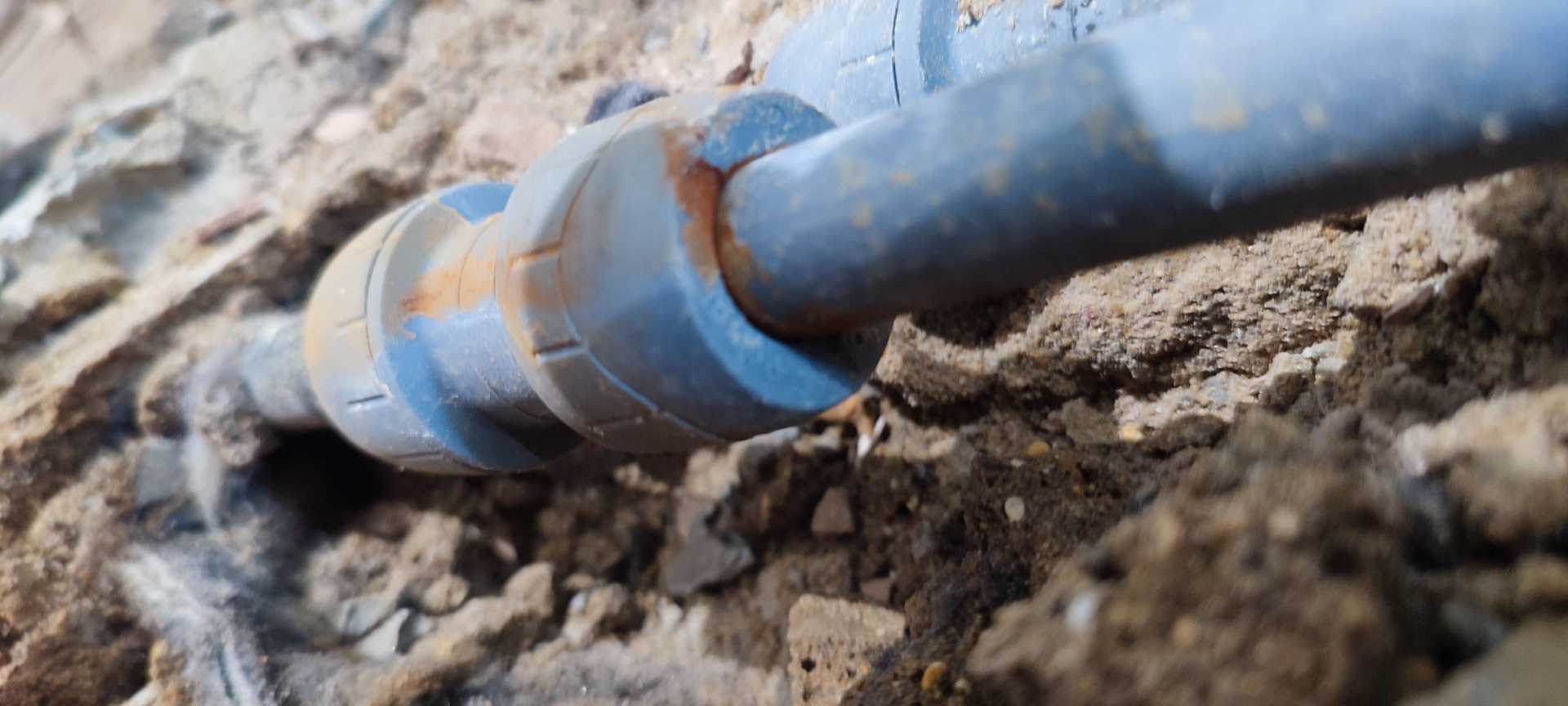
At a London home with heating-pressure concerns and damp near the kitchen, the initial testing did not produce a consistent result. Moisture checks narrowed the area for further access. Opening the floor exposed a leaking push-fit joint in the heating pipework.
The fitting and a short pipe section were replaced, but the engineer explicitly described the repair as temporary because of the existing plastic-pipe connection. The intermittent leak meant a retest was inconclusive; the repair was checked visually. The customer was advised to keep access available while monitoring boiler pressure and drying before closing the floor. No permanent repair or completed drying is established.
The right investigation starts with the symptoms. These are the residential problems ADI can help trace.
Provide the meter location, known pipe route and shared connections before buried supplies are tested.
Share manifold labels and pressure records. Suitable loops can be separated for investigation.
Identify rooms above or beside the damp patch; water may travel along concealed routes.
Include earlier heating engineer findings. ADI investigates pipework leaks and does not repair boilers.
Note which fitting was used before water appeared so supplies, wastes and seals can be assessed.
Record the timing of rainfall and damp. Building repairs are undertaken by the appropriate trade.
Your engineer selects tests to suit the suspected leak and available access. Not every survey needs every piece of equipment.
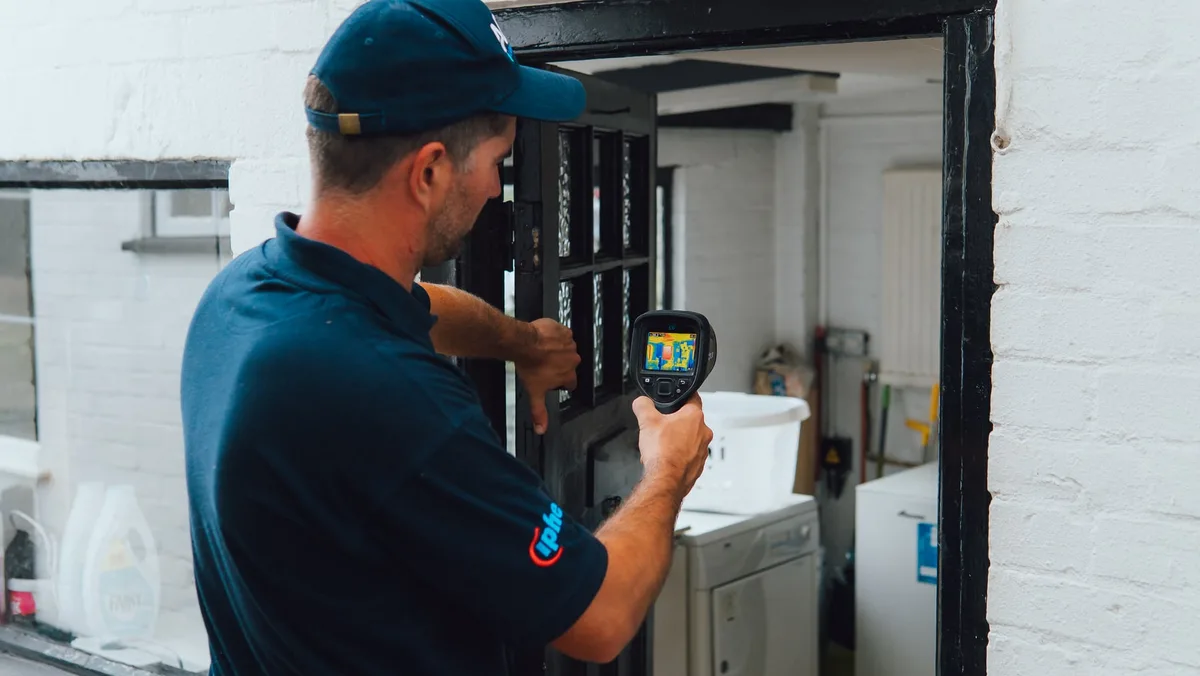
A survey can follow a suspected leak from the incoming supply through to concealed hot, cold and heating pipes. Where the supply runs a long way under a garden, drive or forecourt, give the stop tap and meter positions and an approximate pipe route before the visit.
What to do when you spot a leakOne leak can affect several homes in a block, and the stain is often some way from its source. Say which flats are involved, whether the pipework is shared, and who holds access to risers, tank rooms and the flat above, so permission can be arranged before the engineer arrives.
Read about the survey visitA landlord, a tenant or a managing agent can arrange the survey. Settle beforehand who authorises the work and who will let the engineer in, particularly where one address covers several occupied flats. The written findings and photographs can then go to whoever organises the repair.
See ADI’s residential case studiesResidential Leak Detection, a specialist service from ADI Leak Detection. ADI’s team covers England, Scotland and Wales.
Selected excerpts from five-star reviews of ADI’s wider service across the UK.


“Really helpful explaining what work was needed and then fixing the issue.”
Review excerpt
Read the full review
“Brett was superb, totally professional in his approach, explained what he was doing very clearly.”
Review excerpt
Read the full reviewThis page follows the ceremonial county of Greater London: the 32 London boroughs, including Westminster, but excluding the separate City of London. The places listed are examples within Greater London, not a complete list or a record of past jobs. Call with the full postcode to discuss the property and current availability.
Yes. The stain may be well away from its source, so access to the flat above or to shared pipework is often needed. Tell the team which homes are affected and who manages the building, then get permission from the neighbour, landlord or agent before the visit is booked.
It can take more than one approach. At the London home recorded above, the initial testing was inconclusive, so moisture readings narrowed the area before the floor was opened, which exposed a leaking push-fit joint. Where a leak comes and goes, the engineer may ask you to monitor the boiler pressure and keep the access open before anything is closed up.
Keep the affected rooms, the stop tap and the water meter reachable, and note when the damp or the pressure drop appears. Have any photographs and earlier repair records to hand. In a flat or a rented home, arrange access and permission first, and if a repair has already been attempted, say what was done and whether it held.
Give ADI the postcode and borough, describe what you have seen and say who owns or manages the property. The team will talk through the survey, the price and when an engineer is free.
